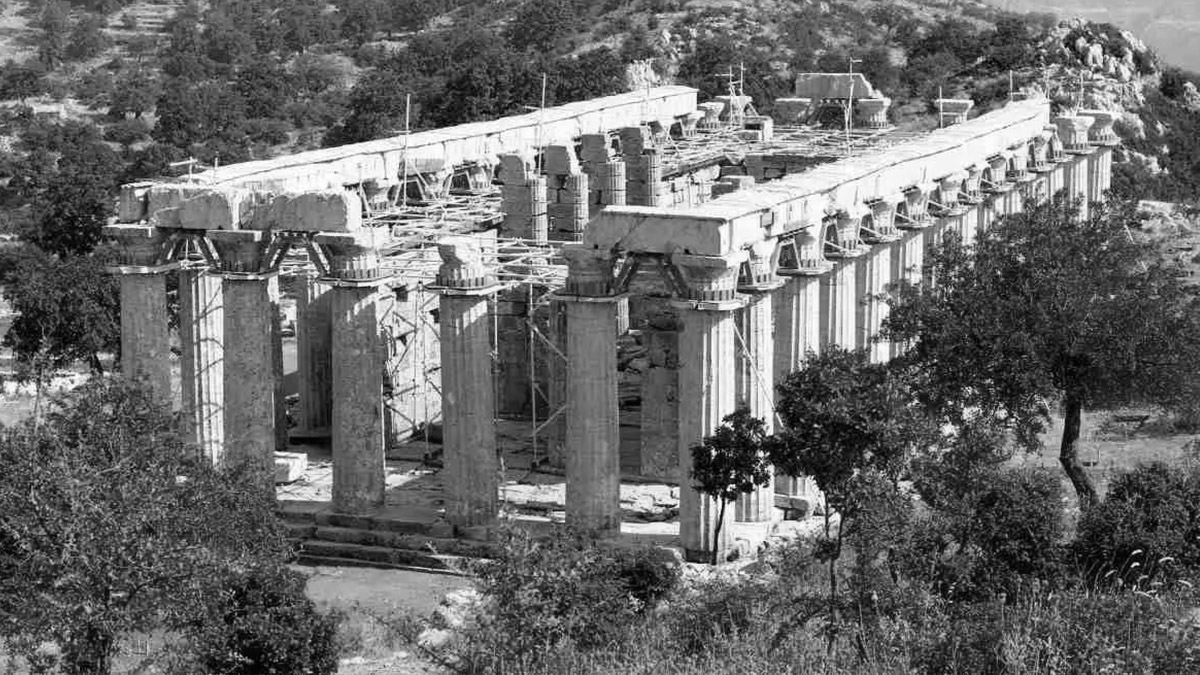
Symbol of Devotion and Artistry
Dedicated to Apollo Epicurius, meaning Apollo the Helper, this temple was constructed in gratitude for divine intervention during a devastating plague. The structure not only served a religious purpose but also stood as a beacon of hope and artistry. Within its walls, it originally housed a cult statue of Apollo, crafted by the acclaimed sculptor Paeonius, who also contributed to the Parthenon's decoration. The artistic achievements of the Temple of Apollo Epicurius are highlighted by its detailed sculptures and the careful integration of multiple architectural styles, reflecting the diverse cultural influences that permeated Greek art and worship at the time.
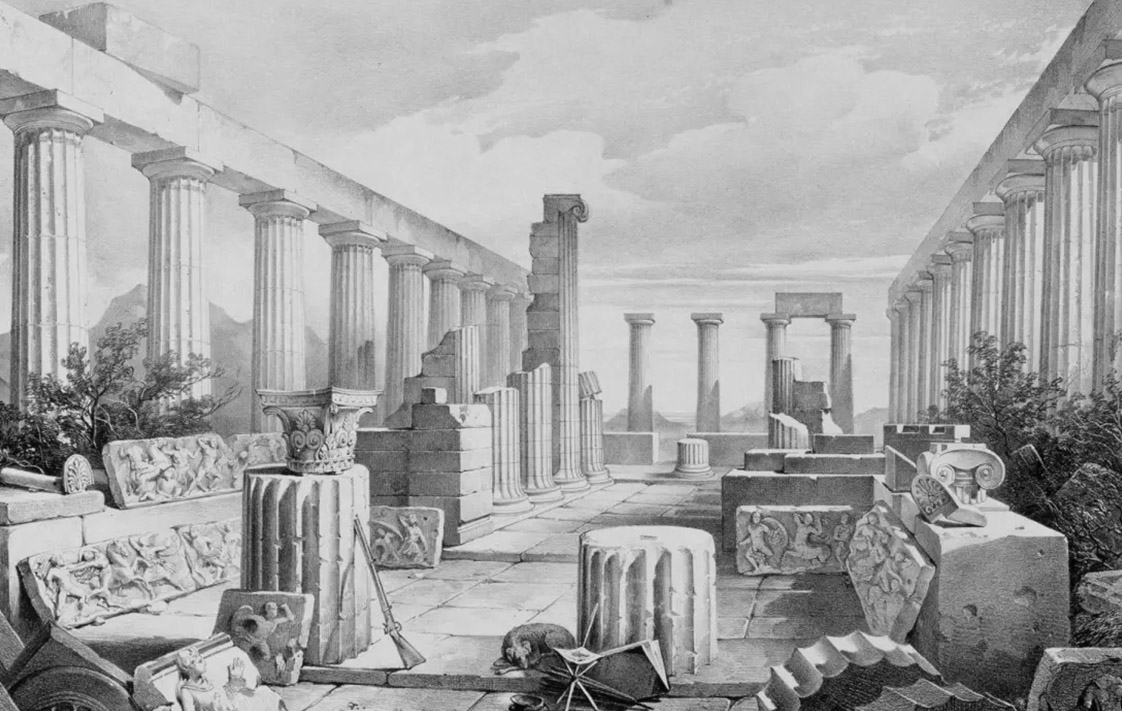
Preservation and UNESCO Recognition
Since being designated a UNESCO World Heritage site in 1986, the Temple of Apollo Epicurius has attracted global attention, emphasizing its importance and the critical preservation efforts required. The temple's remote location and the region's seismic activity pose ongoing challenges, demanding extensive and continuous restoration efforts. These efforts are crucial for maintaining the structural integrity and aesthetic beauty of this ancient edifice, ensuring that it can withstand the test of time. Preservationists and historians work tirelessly to safeguard this cultural treasure, aiming to keep the legacy of ancient Greek architectural ingenuity alive for future generations.
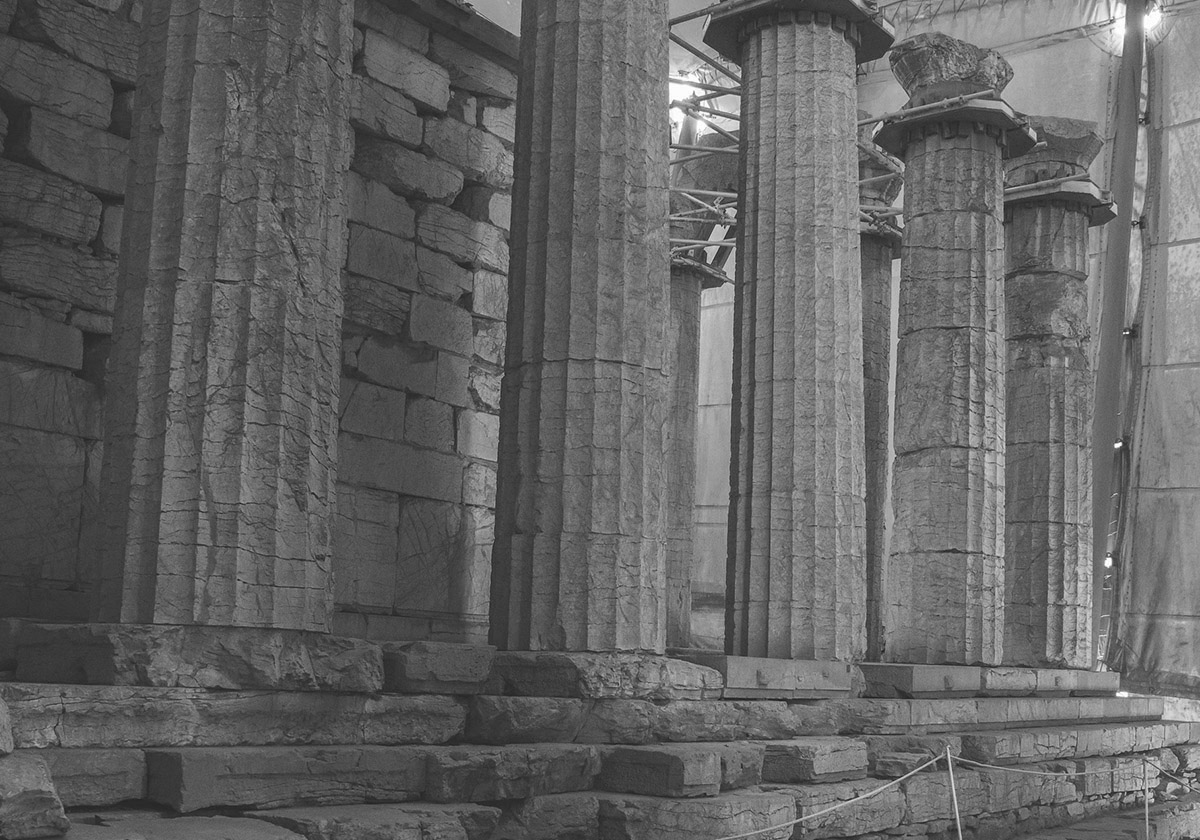
A Tourist Destination with a View
Positioned amidst the lush forests and rugged terrain of the Peloponnese, the Temple of Apollo Epicurius offers more than a historical excursion; it provides a panoramic vista that captivates the modern visitor. The site perfectly marries cultural education with picturesque scenery, attracting a diverse crowd of history enthusiasts, archaeology students, and nature lovers. The isolation of the temple enhances its mystique, offering a tranquil retreat from the modern world and a chance to immerse oneself in the splendor of ancient Greek achievements. Visitors leave with a deeper appreciation of classical history and the natural beauty that frames this ancient wonder.

Time Travel to Tranquility
Dedicated to the god Apollo, renowned for his association with healing and harmony, the temple stands as a testament to the profound connection between ancient myth and the natural world.
Immerse yourself in the therapeutic aura of the surroundings as you traverse the trail, absorbing the historical richness and majesty that emanate from this sacred site. Let each step be a gesture towards healing, both of the body and the spirit, in the tranquil embrace of nature and ancient wisdom.